
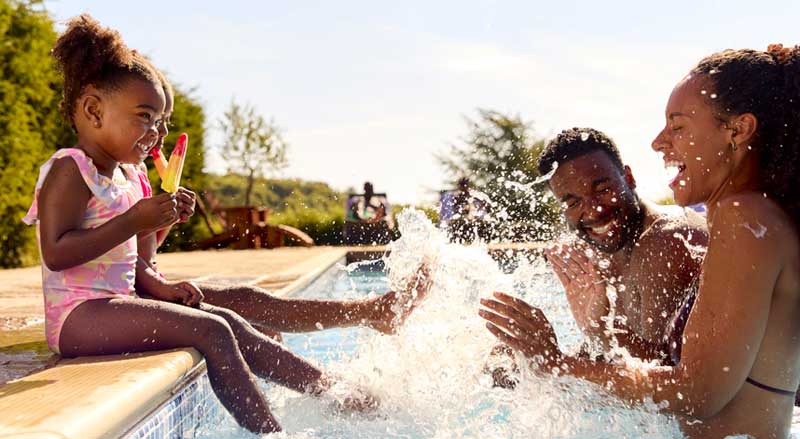
With summer quickly approaching, it’s more important than ever for parents to talk to their kids about water safety and to take steps to help keep their family safe in and around water.
If you, as a parent or caregiver, aren’t aware of the water safety skills you and your kids should know before summer, here’s a complete update.
Why Water Safety Is So Important
According to the Centers for Disease Control and Prevention, drowning is the leading cause of death for children ages 1-4 and the second leading cause of unintentional injury for children ages 5-14.
Unfortunately, these statistics illustrate the importance of everyone knowing about and practicing water safety.
Water safety involves:
- Having water safety skills
- Knowing how to make wise choices in and around water
- Knowing what to do if you are involved in a water emergency
It All Starts with Swimming Lessons
Signing your kids up for swim lessons is one of the most effective ways to guarantee their safety in and around water.
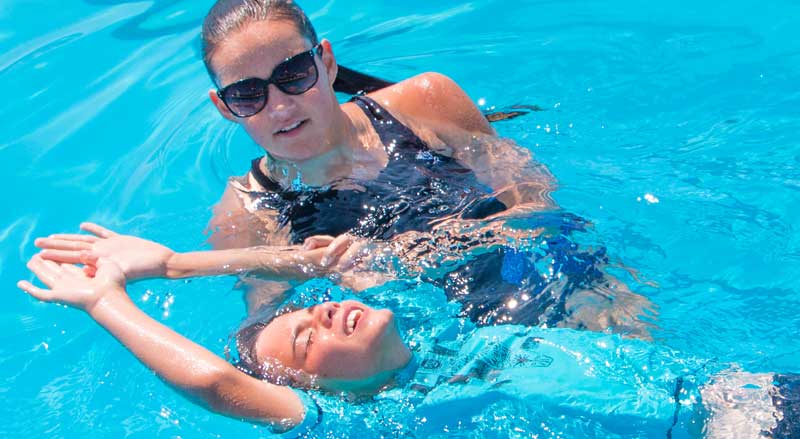
While swimming lessons can’t guarantee water safety, they will help your kid stay safe. A good swimming school will:
- Teach your child swimming skills
- Help them feel confident in the water
- Show them how to stay safe in the water
At Njswim, we offer swim lessons for kids of all ages, including Water Babies. Our swim lessons incorporate a Zen-like approach to swimming and our “learn to float” philosophy. Kids learn to feel comfortable and secure in the water.
Our Water Babies classes safely help kids develop breath control, balance, buoyancy, and movement and help babies and parents (or caregivers) learn to relax in the water together.
Learn CPR
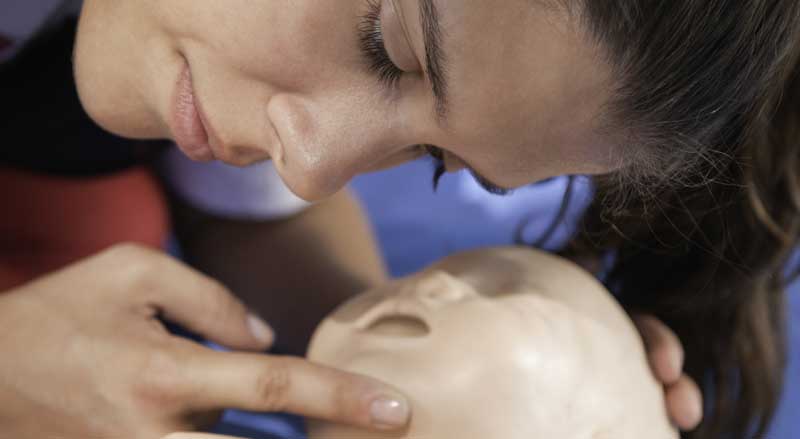
Knowing CPR is one of the most important things you can do for your family’s safety. In the case of a water emergency, you will know how to respond. Knowing CPR can be lifesaving.
Learn About Proper Adult Supervision Around Water
Adult supervision is absolutely essential whenever your child is near water—be it at the pool, in your home, or at the beach or lake. Adult supervision is important even when lifeguards are present.
Never leave your young child alone in, or near, water. Whether in a pool or near water, stay within arm’s reach of your child.
Since a child can drown in just one inch of water, parents should also be vigilant when babies or toddlers are near buckets of water, toilets, and bathtubs.
Learn more about water safety for toddlers.
Remain Vigilant
If you supervise your kid in or around water, don’t become distracted by your phone, a book, or someone nearby—even for a second. But keep a phone nearby in case of an emergency. And don’t drink alcohol which can hurt your focus and concentration.
Use the Water Watchers System
You can adopt a water watchers system if you’re gathering with other adults and kids at a pool or open water area.
In this arrangement, adults decide who will be responsible for watching the kids in the pool and designate that person as the “water watcher.” Everyone respects the water watcher’s mission and is careful not to distract them from their important task.
After a certain amount of time, a second adult becomes the designated water watcher, and the first water watcher is relieved of their duty.
Too many times, all adults in a group stop watching the kids in or near the water because each one assumes someone else is doing the watching for them. This can lead to a water tragedy that can easily be prevented by using a water watcher.
Teach Your Child to Use the Buddy System
Teach your child that they should never swim alone, and to always stay with their “buddy” in the water. The buddy can be a friend, a sibling, or even a parent or caregiver.
Always use the buddy system in pools, lakes, and oceans—even though there’s a lifeguard present.
Additional Safety Tips to Teach Your Child
- Never enter the water unless an adult is present, and they tell you it’s okay
- Obey all posted rules
- Never run around a pool area
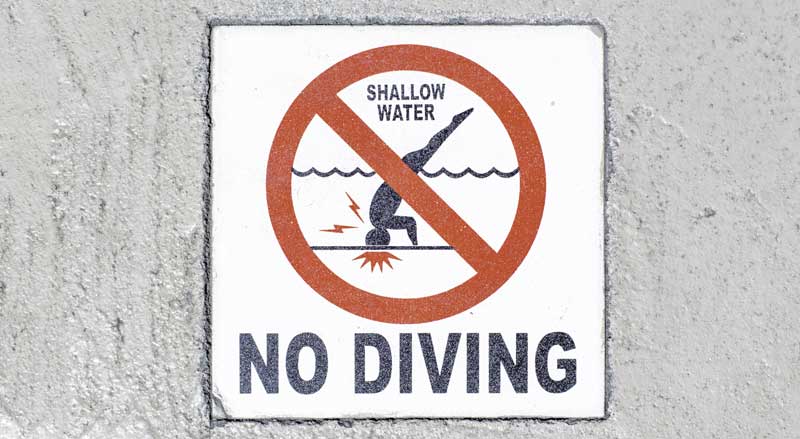
- Never dive into shallow water
- Never jump into a pool where there are people present
- Teach your child how to call 911 in case of an emergency
Read more about pool safety.
Practice Home Pool Safety
If you have a pool in your own backyard, take these steps to keep kids safe.
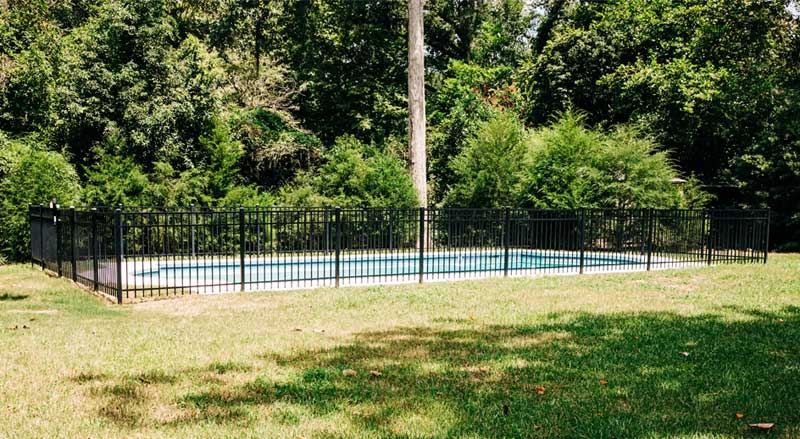
- Surround the pool area with a secure fence that’s at least 4-feet tall and keep the gate locked with a child-proof lock
- Comply with all local municipality codes for fences around pools
- Install a pool alarm
- Use a pool cover
- Keep tables and chairs away from the fence so kids can’t use them to climb into the pool area
- Don’t leave toys in or around the pool—they can tempt kids to get them
- Keep a long pole or life preserver nearby to use if someone needs rescuing—don’t jump in to save someone
- Dress kids in brightly colored swimsuits so that they can be easily seen in the pool or underwater.
If you have a wading pool for your youngster, always empty it when it’s not being used.
Follow Thes Guidelines for Open Water Safety
Some important open water rules for kids and adults are:
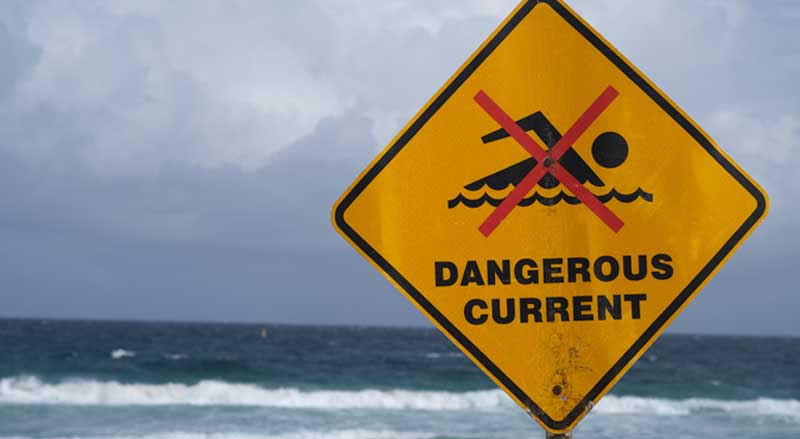
- Obey all postings
- Swim near the lifeguard within the designated swim areas and obey all of their instructions
- Get out of the water if it starts to rain, if you’re not feeling well, or the water is getting rough
- Know how to stay safe if you’re caught in a riptide—remain calm and swim parallel to shore until the riptide ends (usually after about 100 feet)
- Always have an adult waiting at the shore in case of an emergency
- Kids and adults should always wear US Coast Guard-approved life jackets in boats
Read more about keeping kids safe at the beach.
Contact us at Njswim for information about swim lessons at our six New Jersey swim school locations.

