
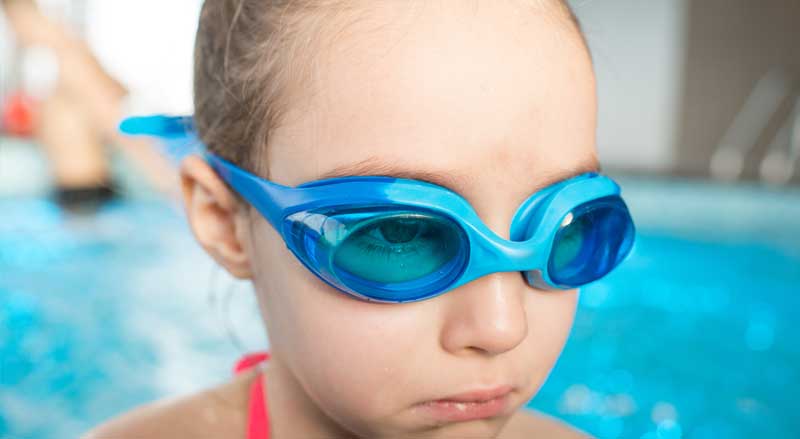
Swim regression is when your child seems to take a giant step backwards in their swimming skills or lessons.
Regression can refer to their physical progress, attitude, or even behavior.
Perhaps your child simply isn’t performing as well as they have in the past. This type of swim regression is often easy to understand and prevent.
But what if your child was always enthusiastic during their swim lessons, but they’re suddenly fearful or uncooperative? Maybe they don’t want to put their head in the water or cry when asked to enter the pool.
This sudden change in behavior can be very upsetting for both you and your child. Your child is experiencing fearful emotions, and you are left bewildered by this unexpected shift in behavior.
Swim regression, while confusing, is common. And there are things you can do to help your child get back on track with their swim lessons.
Here’s why swim regression happens and what to do about it.
Some Swim Regression Occurs When Lessons Are Interrupted
Swim lessons benefit children physically, mentally, and emotionally. So, it’s hard to understand why swim schools or parents periodically stop swim lessons. Further, if your child stops lessons and practicing for a while, their swim skills will suffer.
Swim regression can occur when young students stop taking lessons for just a few months. And, for every month a child is out of water, it takes one week to regain skills.
That’s why Njswim encourages students to take swim lessons year round. We offer year-round rolling memberships and a rolling program of September through June lessons and Summer Intensive Programs.
Read about the benefits of year-round swimming for kids.
Other Types of Swim Regression
Swim regression often seems to come out of the blue. Just when you think your child’s swim lessons are progressing wonderfully, your young one cries or refuses to use a skill they happily performed the week before.
Confused parents wonder, “What happened? Things were going so well.”
It may be difficult to know the cause of this swim regression. And not knowing makes it even more frustrating for parents to witness and for children to experience.
Swim regression is most common in children under four-years-old. It can be caused by one or many factors occurring simultaneously.
The cause can be an external event, such as a new sibling, or directly related to something occurring during the swim lesson.
Read about ways to help your child overcome their fear of the water.
Some Common Reasons for a Child’s Swim Regression
Fear of Autonomy
Sometimes a child becomes frightened because they believe a new skill will put them further outside their comfort zone—they’re simply not eager to become more self-sufficient.
A Frightening Event
A child may have had a bad dream which upset or scared them. Or a child may have seen something they find scary on television or heard about from a friend.
A Combination of New, Stressful Events
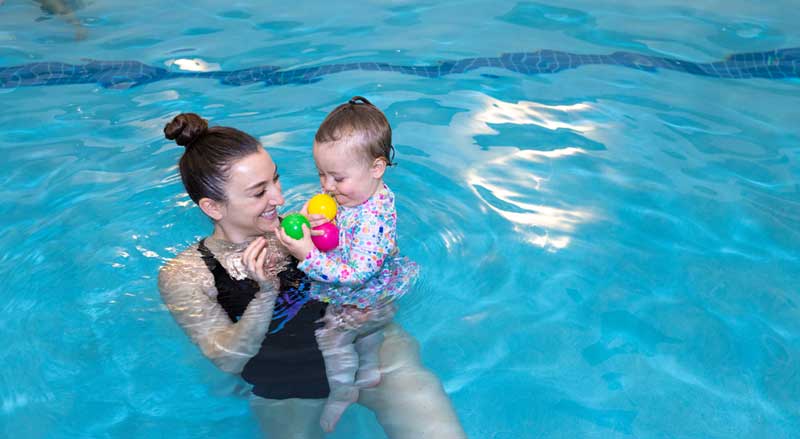
A combination of new events can cause a child to feel anxious or afraid. These events can include:
- Potty training
- A new babysitter
- A new sibling
- Parents separating or divorcing
- Moving to a new house
The events can be positive or negative—but involve change in the child’s life.
A New Swim Teacher
Children become comfortable with their swimming teachers and may have difficulty adjusting to a new one.
A Friend Leaves the Class
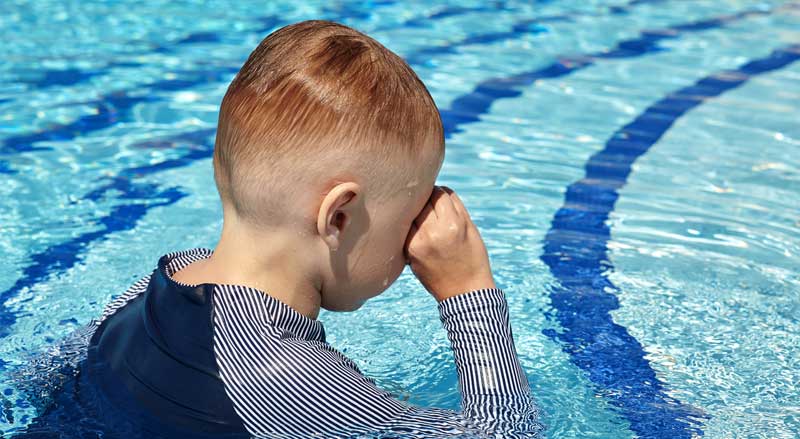
Sometimes a friend moves up to the next level, and the child feels left behind. Your child may feel embarrassed or simply lose interest in the class.
A Change in the Child’s Routine
Children and adults find security in their routines. When a child’s routine changes, even for the better, they become unsure about what is going to happen and can develop new fears.
A Loss of Confidence
A young child’s confidence is more fragile than an adult’s. A child can lose their confidence from common events, such as:
- Adjusting to a new school schedule
- Not getting along with friends or family
- Criticism or trying to live up to another’s expectations
Additional issues that can cause swim regression include:
- A new distraction during class
- Reemergence of a past water trauma
- Child reaches a new stage of development
How to Help Your Child Overcome Swim Regression
Keep the Swim Teacher Informed
Always let your child’s swim teacher know about any fears or changes your child is experiencing.
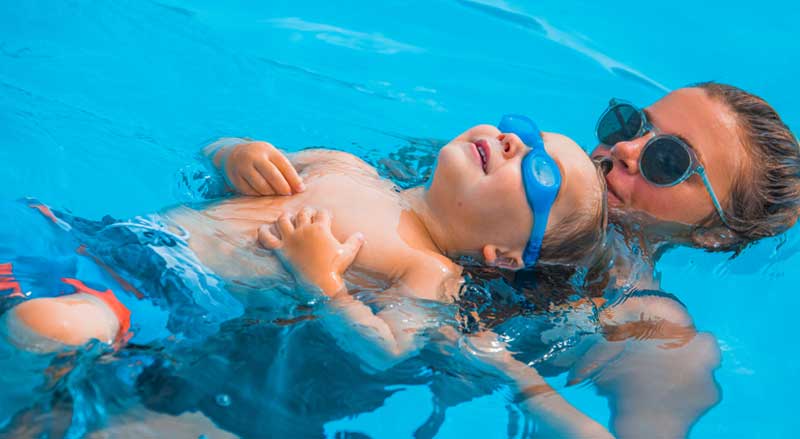
We train our Njwim teachers to support kids through these challenging periods, helping them get back on track, stay motivated, and enjoy their swim experiences.
Don’t Push—Do Support
A child can resist even further if they feel they’re being pushed. Instead, acknowledge their feelings, express support, and gently encourage.
Provide Lots of Positive Feedback
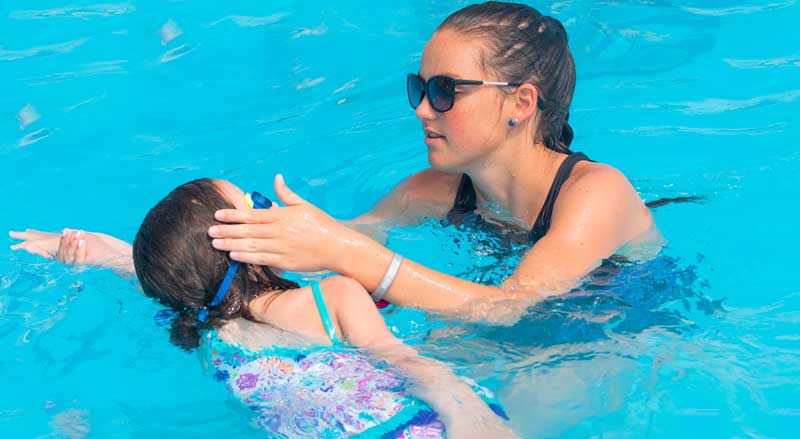
A little praise can help your child regain their confidence. If they suddenly seem unsure about their swimming skills, praise them when they do something else well at home. They’ll remember the praise and it will carry over to their confidence in the pool.
If your child feels embarrassed, upset, or left behind when a friend moves up to the next skill level, let your child know that they too will move to the next level as soon as they have the required skills. Let them know:
- They’re making significant progress
- Everyone naturally progresses at their own rate—sometimes faster, sometimes slower
- They’ll soon join their friend in the next level
When your child is facing a change in their routine, let them know that change can feel scary but that wonderful things can come out of change.
Here’s how positivity helps a child learn to swim.
Revive Your Child’s Interest in Swimming
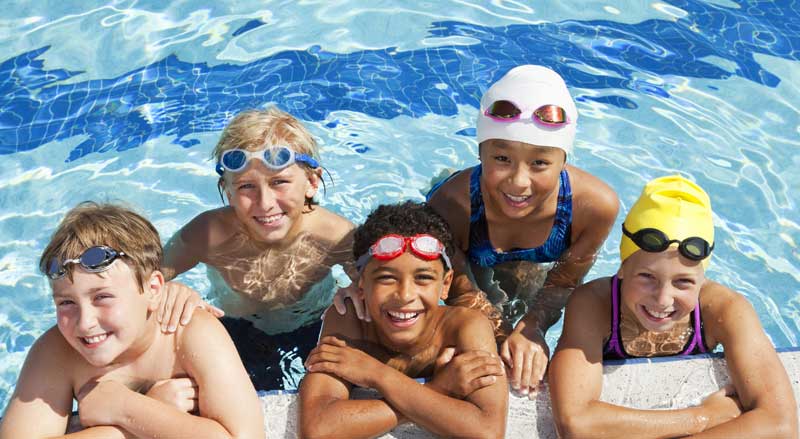
If your child simply seems less interested in learning to swim, bring them to a local pool where they’ll see older children swimming and having fun. This can be a powerful incentive to help them regain their interest in swimming.
Remember that swim regression is a common occurrence. With loving support, your child will soon be enthusiastically embracing their swim lessons again!
Contact Njswim for kids’ swim lessons and Water Babies classes.

