
Your child runs toward the pool, laughing. You reach for your phone to snap a photo. In those few seconds, everything can change.
Water doesn’t forgive distraction. Last year alone, nearly 900 children in America lost their lives to drowning.
Many parents don’t realize that most of these accidents happen during non-swim times – when kids weren’t supposed to be in the water at all.
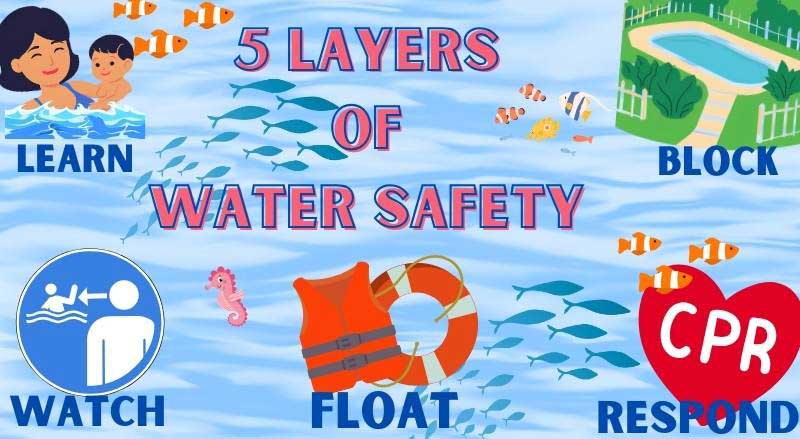
At Njswim, we’ve spent decades studying what really works to prevent these tragedies. No single solution is enough.
But layer five specific protections together? Now that’s when families can truly enjoy the water with confidence.
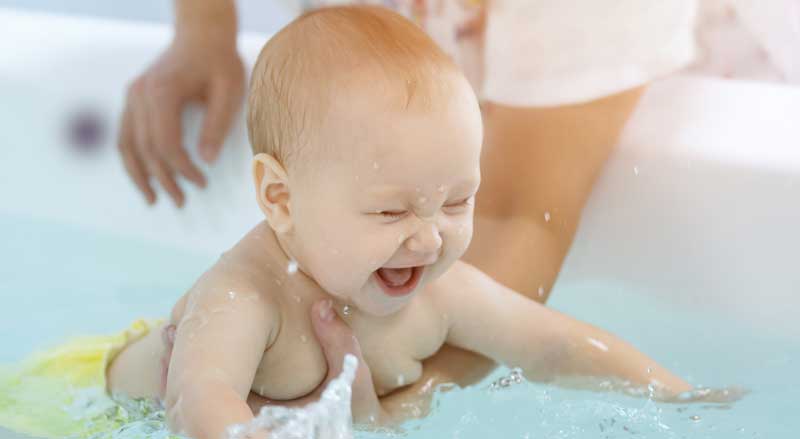
1. Start Swimming Lessons Early (3 Months+)
Let’s walk through each layer and show you exactly how they work together.
Think your baby’s too young for the pool? Here’s something amazing: babies as young as 3 months old can start learning water safety. They’re natural swimmers – after all, they just spent 9 months floating in the womb.
At Njswim, our Water Babies program transforms these natural instincts into lifelong water safety skills.
Your baby will learn:
- How to hold their breath underwater (yes, they do this naturally!)
- The art of floating and finding balance
- Confident movement through water
- Essential water safety foundations
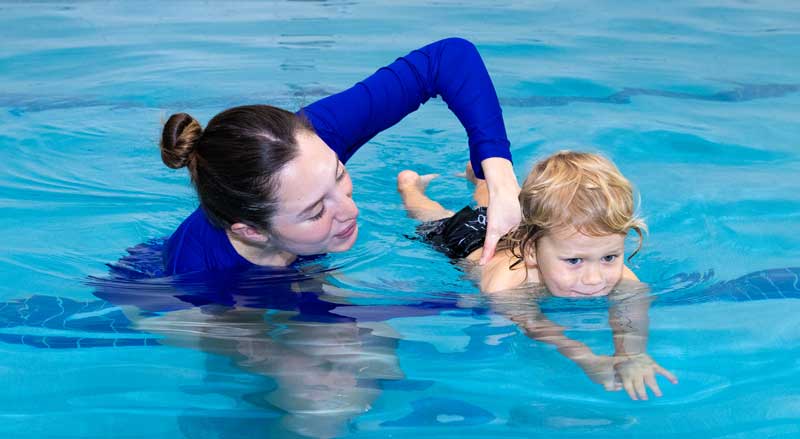
Our Zen-inspired approach keeps both parents and babies relaxed as they begin their water journey together. In our warm, encouraging environment, you’ll be amazed to watch your little one develop from a water baby into a confident swimmer.
Every child moves at their own pace. Some of our swimmers are ready for independent classes by 21 months, while others enjoy parent-child bonding in the water until age two or beyond.
What matters is starting early – those first few months are precious for developing water safety skills that last a lifetime.
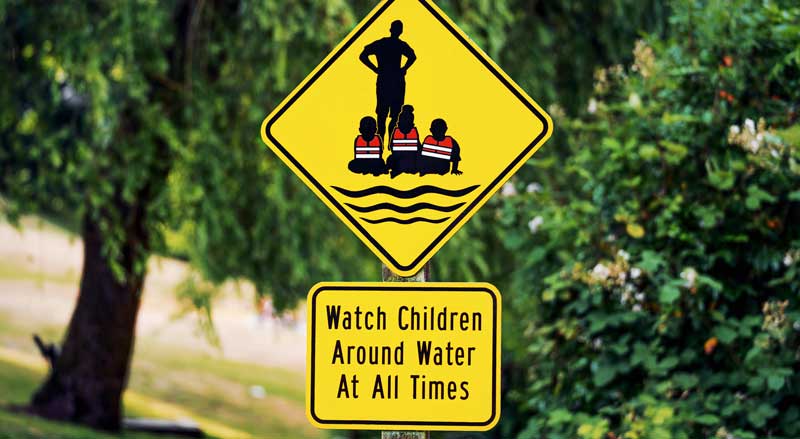
2. Eyes-On Adult Supervision
A drowning can happen in seconds. Most parents are shocked to learn that drowning is often silent – no splashing, no calls for help. That’s why active supervision isn’t just important, it’s your most powerful defense against water accidents.
What does real supervision look like?
- Keep your eyes locked on swimmers at all times
- Stay within arm’s reach of young children
- Put the phone away – no scrolling or texting
- Take turns as the designated “water watcher”
The water watcher system works. Choose one adult to be the official supervisor for 15–30-minute shifts. This person’s only job? Watch the water.
No phones, no conversations, no distractions. When their shift ends, they pass this duty to another adult.
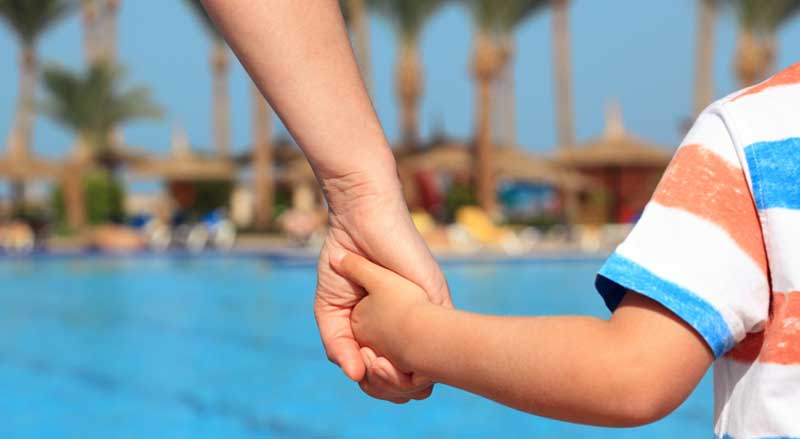
Remember: Most pool accidents happen during non-swim times, when children weren’t supposed to be near the water. That’s why supervision matters every time, all the time, not just during planned swim activities.
Even the most vigilant parents need backup systems. That’s why supervision alone isn’t enough; it needs to work alongside other safety layers.
Let’s look at how physical barriers add another critical layer of protection.
3. Secure Pool Barriers Save Lives
A proper pool fence could be the barrier that prevents tragedy.
According to the U.S. Consumer Product Safety Commission, 69% of children under 5 years old were not expected to be at or in the pool when they drowned.
Here’s what makes a pool barrier truly effective:
- Fence height must be at least 4 feet (per CPSC guidelines)
- Gaps between vertical slats should be less than 4 inches
- Self-closing, self-latching gates that open outward
- No footholds or handholds that could help a child climb
- Latches placed high on the gate’s pool side

Don’t forget these critical spots:
- Lock windows overlooking the pool area
- Move chairs, tables, and pool equipment away from the fence
- Install door alarms on all house exits leading to the pool
- Add pool alarms that detect water movement
A common mistake? Using your house as one side of the barrier.
For maximum protection, surround your pool completely, even if it means installing a fence between your house and pool.
4. Life Jackets Matter
Think life jackets are just for boats? Think again. A properly fitted life jacket can save a life in any water situation – pools, lakes, beaches, or boats.
What makes a life jacket work?
- Must be Coast Guard approved (check the label)
- Should fit snug like a hug, no riding up over the chin
- All straps and buckles need to be fastened
- Must match your child’s current weight

Here’s a quick test: lift your child’s arms straight up. If the life jacket hits their ears or their chin, it’s too big.
A proper fit stays in place and keeps their head well above water.
When do you need one?
- Always on boats, no exceptions
- Around open water like lakes and beaches
- During water sports activities
- If your child isn’t a strong swimmer
Remember: Water wings, swim rings, and pool floats are toys, not safety devices. Only trust a proper life jacket to keep your child safe.
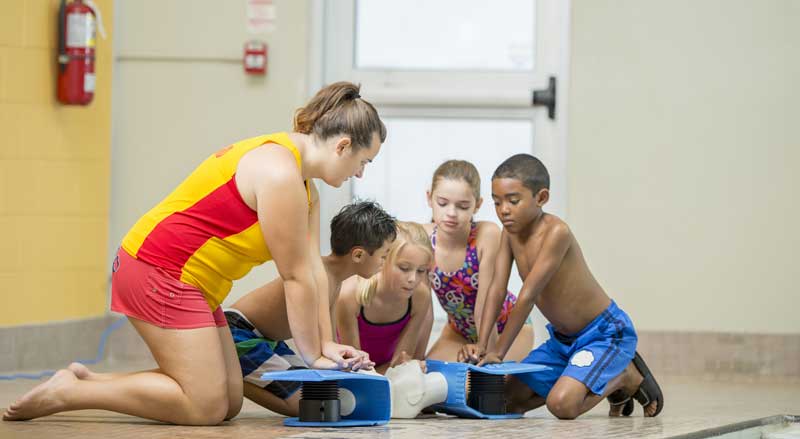
5. Know CPR and Emergency Response
When seconds count, CPR saves lives. A child’s brain can suffer damage after just 4 minutes without oxygen. That’s why this final layer of protection is so important.
Emergency response skills buy precious time until help arrives.
Your emergency plan should include:
- Updated CPR certification for all caregivers
- Pool safety equipment within reach
- Emergency numbers posted by the pool
- A charged phone is always nearby
- A meeting point for emergency crews
- Clear plan for who does what in an emergency
Practice your emergency response regularly.
In a crisis, you’ll fall back on what you’ve rehearsed, not what you’ve memorized.
Why These Layers Work Together
Think about this: Most water accidents happen when one safety measure fails. That’s why layered protection works so well.
Just like you wouldn’t protect your home with only a locked door, you can’t rely on just one water safety strategy.
Each layer serves as a backup for the others:
- Swimming lessons build skills and confidence
- Active supervision catches mistakes before they happen
- Pool barriers prevent unauthorized access
- Life jackets provide extra protection when needed
- CPR knowledge gives you emergency response power
Remember, water safety isn’t a destination; it’s a journey.
Keep learning, stay vigilant, and most importantly, enjoy your time in and around water safely!
At Njswim, we’ve watched countless families transform their water safety approach.
When all five layers work together, you’ll see your children thrive in the water while you enjoy peace of mind.
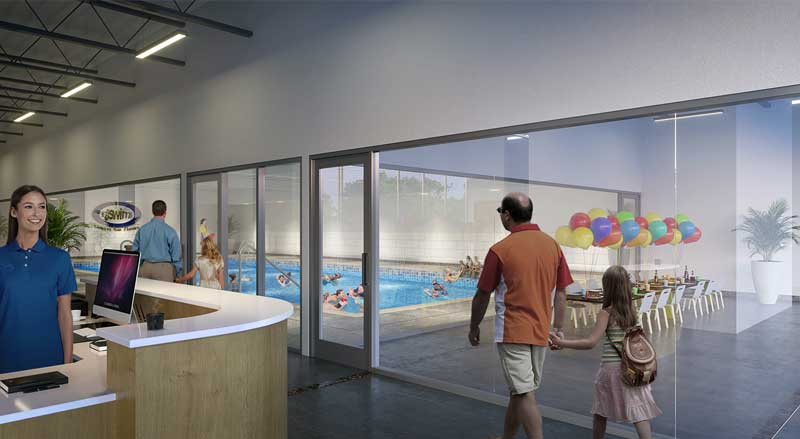
Ready to make water safety a priority for your family?
With six premier locations across New Jersey offering year-round swimming lessons in warm, comfortable water, Njswim’s highly trained teachers are here to help.
Our gentle, nurturing approach ensures every child learns at their own pace in a safe, positive environment.
Visit any of our locations in Florham Park, Lakeside-Roxbury, Manasquan, Sparta, Turnersville, or Brick or contact us to learn more about our programs for all ages and abilities.
Sources:
- American Red Cross Swimming and Water Safety Manual
- S. Coast Guard Safe Boating Guidelines 2023
- S. Consumer Product Safety Commission (CPSC) Pool Safely Guidelines
- U.S. Consumer Product Safety Commission’s Pool or Spa Submersion Report, 2023

